
Upgrade Your Lawn for Colorado’s Water Restrictions & Long-Term Sustainability
Upgrade your lawn for Denver and Front Range watering restrictions. Xeriscaping, efficient irrigation, drought-tolerant grass, and smart planning to reduce water use while maintaining a beautiful landscape.
Why Water-Wise Lawn Upgrades
Are Now Essential
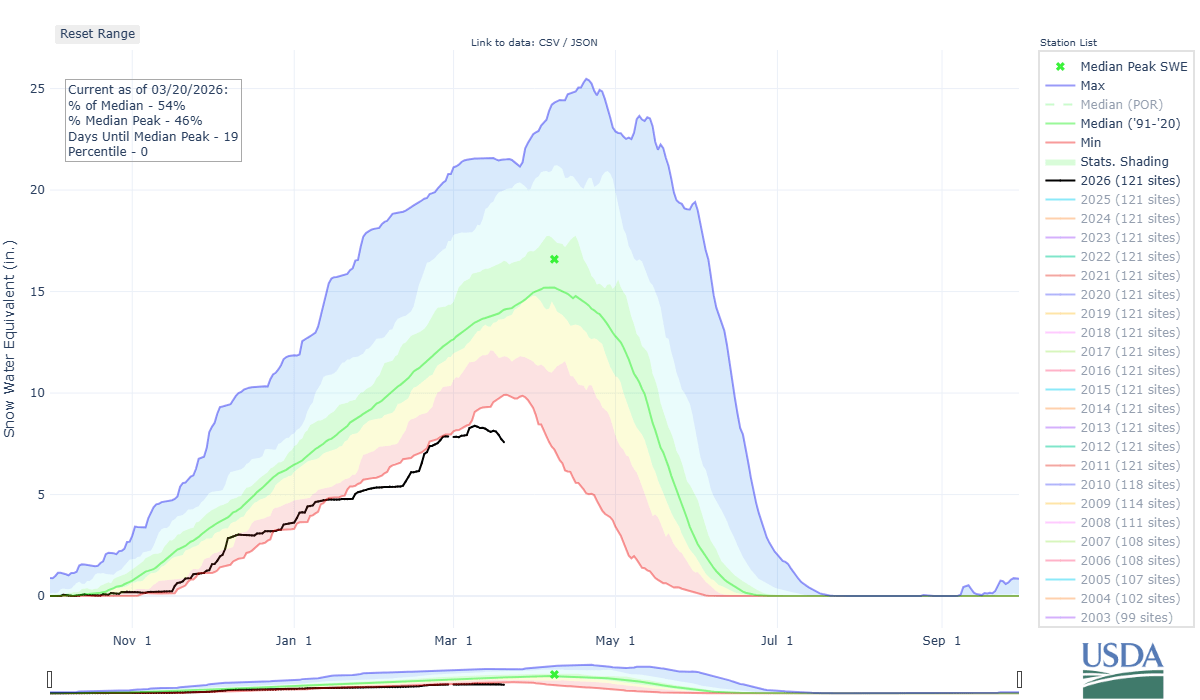
Water restrictions across the Colorado Front Range are becoming stricter each year. Traditional lawns often require more water than regulations allow, leading to stress, patchiness, and higher costs. Upgrading your landscape with efficient irrigation, drought-resistant turf, and xeriscaping strategies ensures compliance while maintaining curb appeal, long-term sustainability, and significantly reduced water usage.
-
![Colorado Water and Snow pack 2026]()
Increasing Regulations
Municipalities across the Denver metro area are implementing stricter watering regulations to conserve limited water resources. Many cities now limit watering days, enforce seasonal restrictions, and encourage or incentivize turf replacement. These policies are expected to become more stringent over time as demand increases. Transitioning away from traditional grass lawns helps homeowners stay compliant and avoid penalties.
-
![rising water costs]()
Rising Water Costs
Water costs in Colorado continue to rise due to infrastructure demands, population growth, and resource limitations. Maintaining a traditional grass lawn can become increasingly expensive, especially during peak summer months. Replacing portions of turf with low-water landscaping significantly reduces monthly utility bills. Over time, these savings can offset the initial investment in landscape conversion.
-
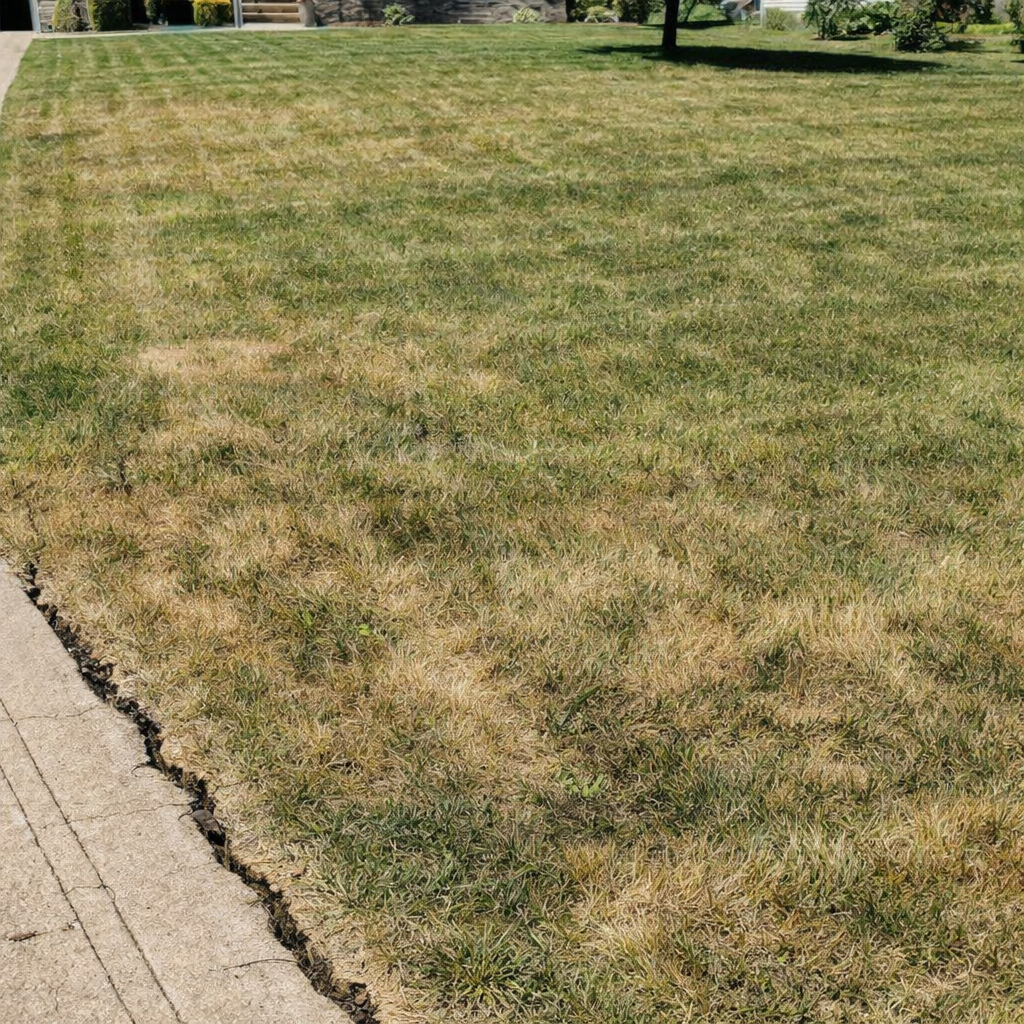
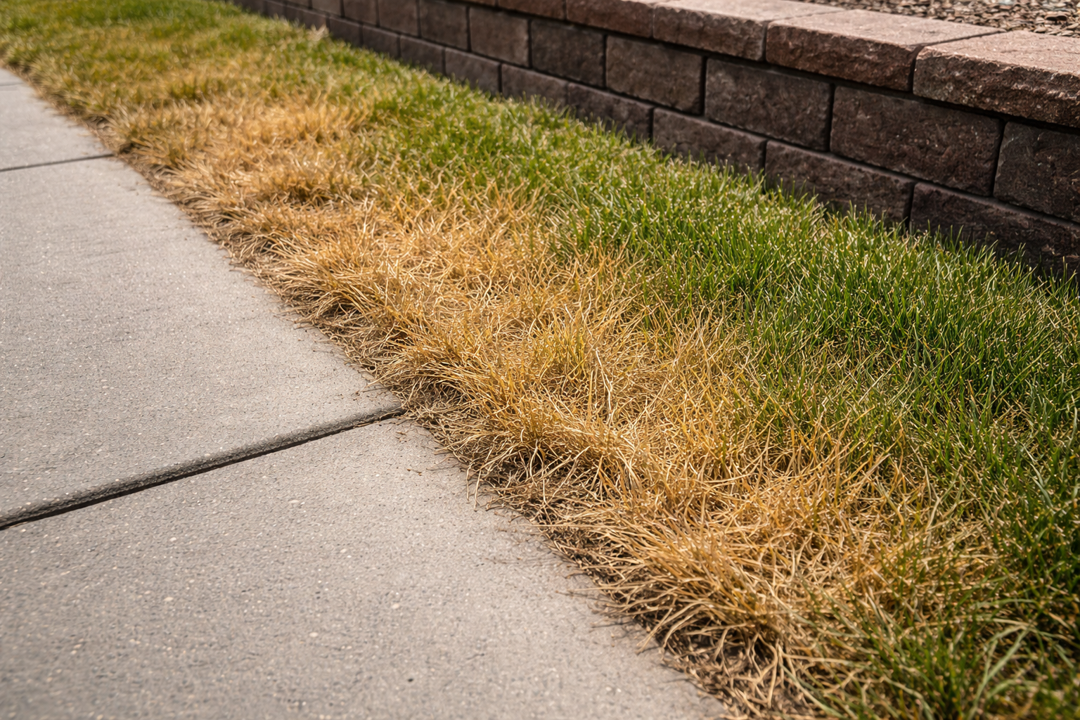
![Drought stressed lawn]()
Climate & Drought Pressure
Colorado’s semi-arid climate and recurring drought conditions place ongoing stress on traditional lawns. Extended periods of heat and limited rainfall make it difficult to maintain lush turf without heavy irrigation. Drought-tolerant landscaping is better suited to these conditions and remains more resilient year-round. Adapting your yard to the climate ensures long-term sustainability and reduces environmental impact.
-
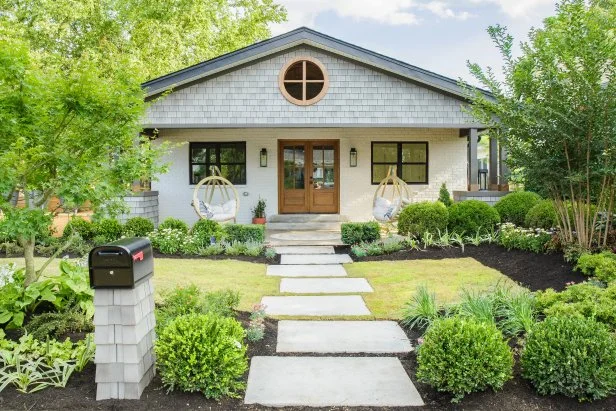
![nicely xeriscaped home in denver]()
Long Term Property Value
Well-planned low-water landscapes can enhance curb appeal and increase overall property value. Buyers are increasingly drawn to homes with sustainable, low-maintenance outdoor spaces. Replacing high-maintenance turf with attractive xeriscaping can position a property as both modern and efficient. This investment not only saves money but also makes your home more appealing in a competitive market.

Smart Irrigation Upgrades :
for Water Efficiency
Modern irrigation systems dramatically reduce water waste while improving lawn health. By upgrading to zoned systems, high-efficiency sprinkler heads, and smart controllers, you can meet strict watering rules without sacrificing coverage. Proper planning ensures even distribution, minimizes runoff, and adapts to weather conditions, helping your landscape thrive under limited watering schedules.
-
![smart watering and irrigation controllers]()
Smart Controllers
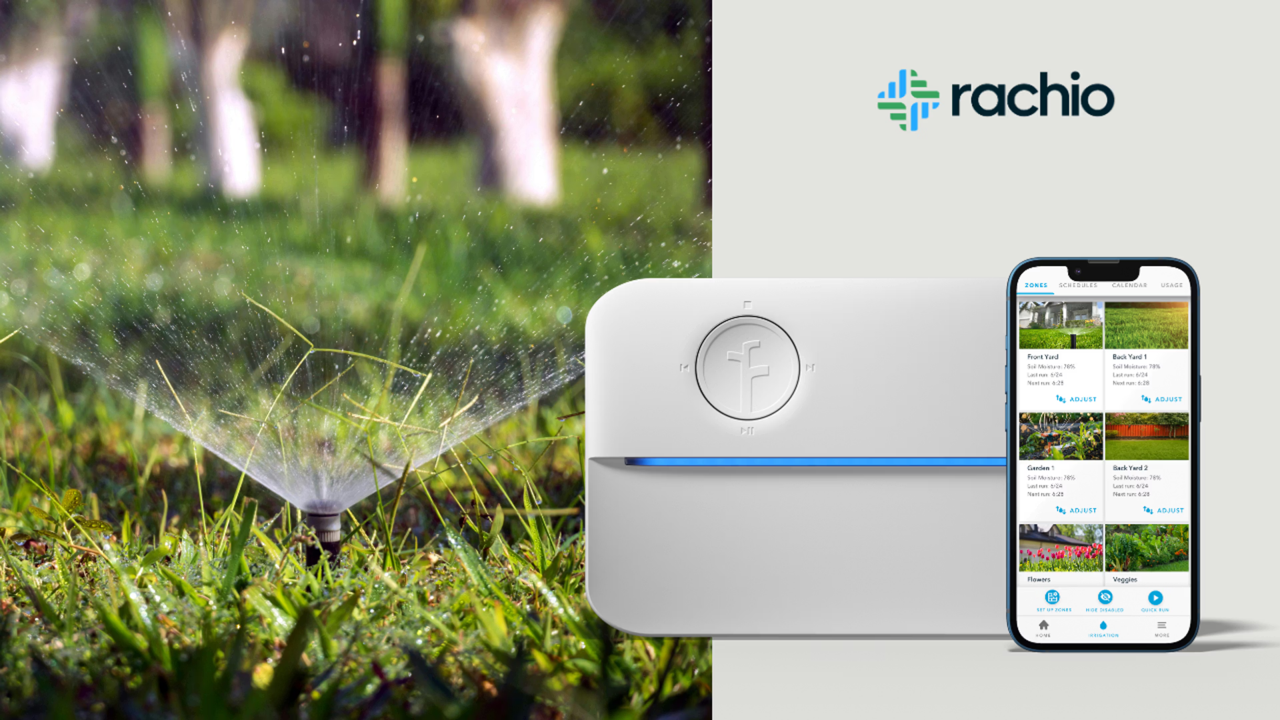
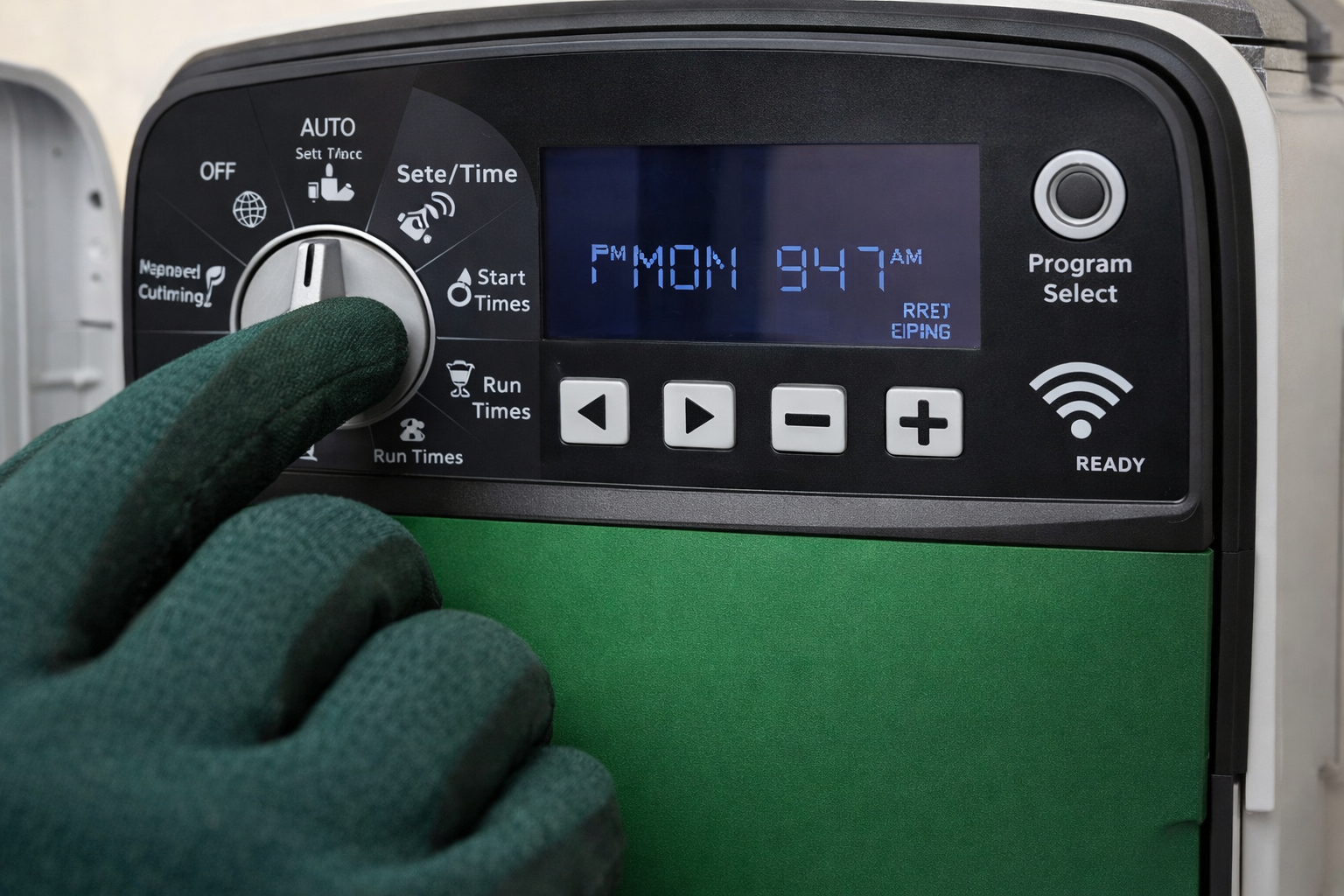
Smart irrigation controllers automatically adjust watering schedules based on real-time weather conditions, including rainfall, temperature, and humidity. This prevents overwatering during rainy periods and increases efficiency during hot, dry conditions. In water-restricted areas like Denver, these systems help homeowners stay compliant while maintaining healthy landscapes. Over time, they can significantly reduce water usage and lower utility costs.
-
![Zone separation planning]()
Zone Separation
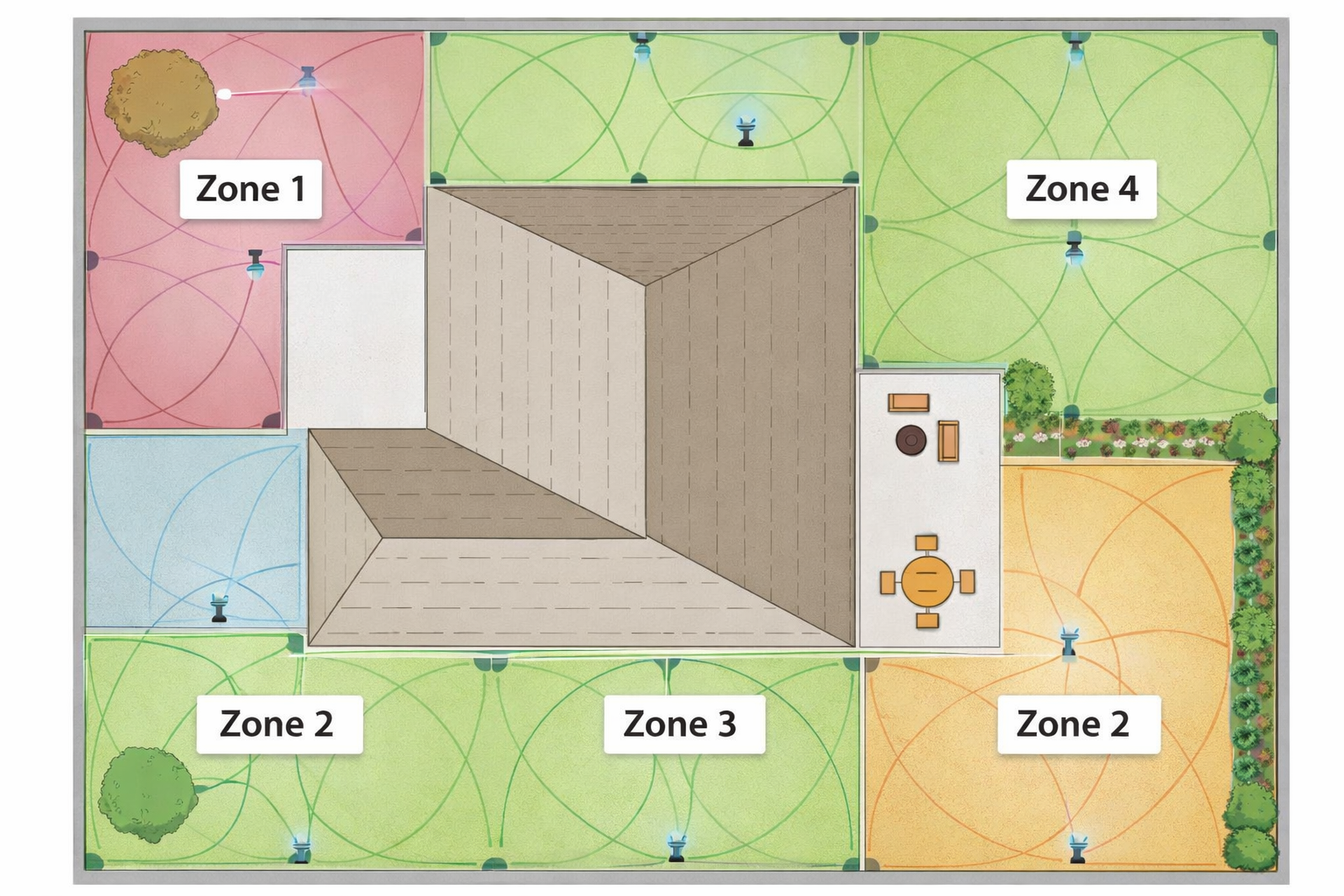
Separating irrigation zones based on sun and shade exposure allows for more precise and efficient watering. Sunny areas typically require more frequent watering, while shaded zones retain moisture longer and need less. Without proper zoning, some areas may become overwatered while others dry out. Tailoring irrigation to these conditions improves lawn health and reduces unnecessary water use.
-
![High-Efficiency Heads]()
High-Efficiency Heads
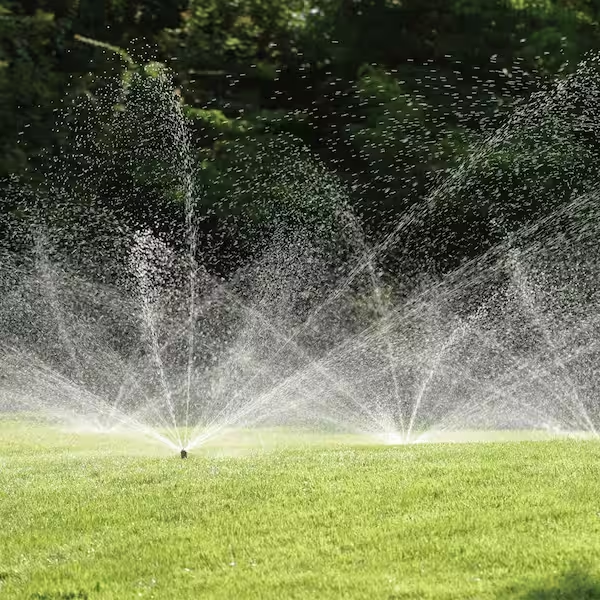
High-efficiency sprinkler heads, such as MP rotators and drip systems, deliver water more slowly and evenly than traditional spray heads. This reduces runoff and allows water to penetrate deeper into the soil. Drip irrigation is especially effective for garden beds and shrubs, targeting the root zone directly. These systems are ideal for meeting water restrictions while maximizing irrigation efficiency.
-
![inline pressure regulator]()
Pressure Regulation
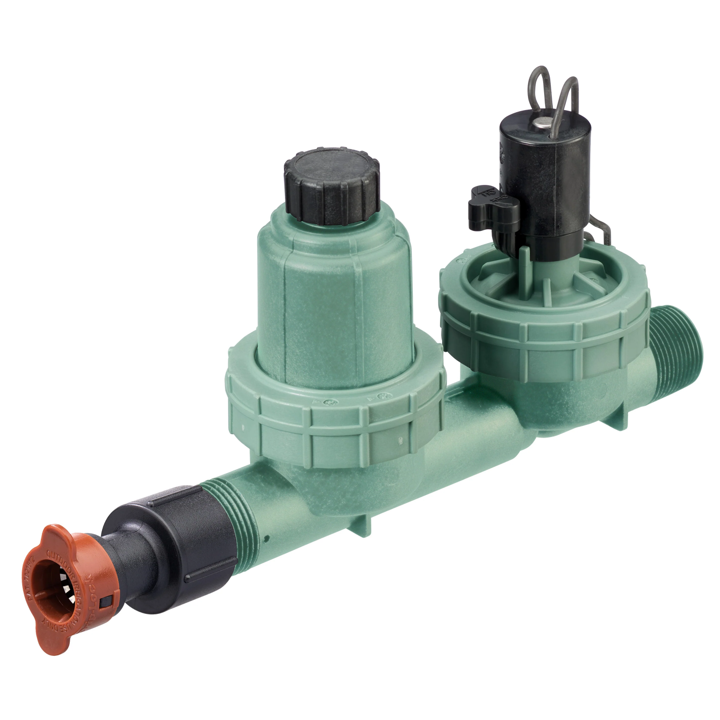
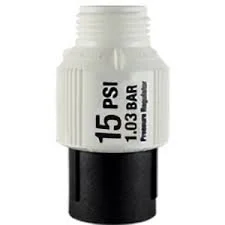
Proper pressure regulation ensures that sprinkler systems operate within optimal ranges for efficiency and coverage. Excessive pressure can cause misting, leading to water loss through evaporation and wind drift. Low pressure, on the other hand, results in poor coverage and dry spots. Installing pressure-regulating devices helps maintain consistent performance and reduces water waste.
-
![Broken sprinkler line]()
Leak Detection
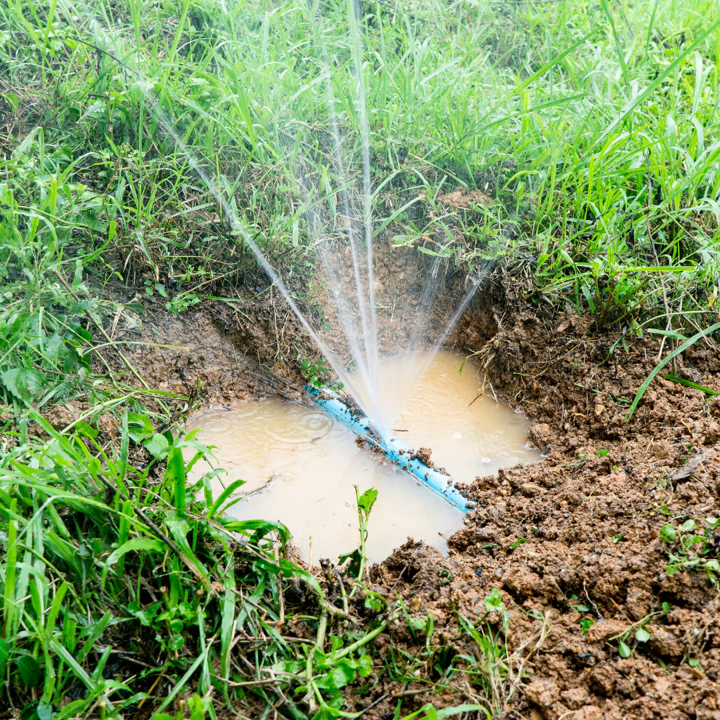
Leak detection is essential for preventing water waste and protecting your landscape from damage. Even small leaks in sprinkler lines or valves can lead to significant water loss over time. Regular inspections and smart sensors can quickly identify issues before they escalate. Addressing leaks promptly helps maintain system efficiency and ensures compliance with water restrictions.
Irrigation Zone Repurposing & Optimization
-
![spray to drip conversion]()
Convert Spray Zones to Drip Irrigation
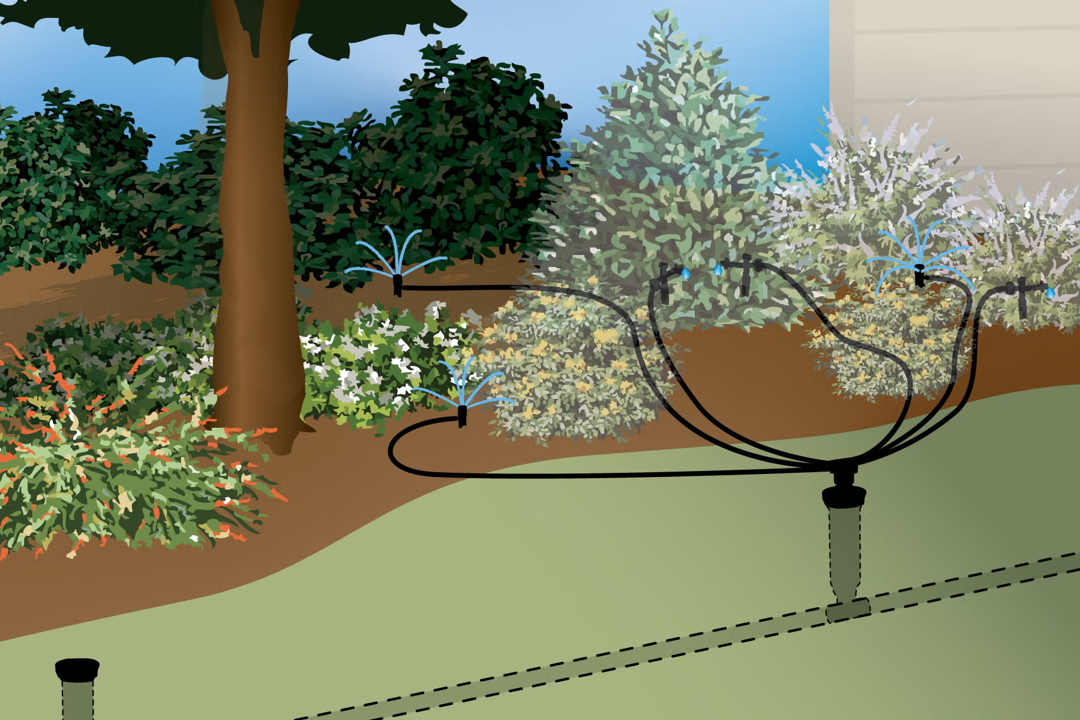
Converting traditional spray zones to drip irrigation significantly reduces water waste by delivering water directly to plant roots. This method minimizes evaporation and runoff, making it ideal for Denver’s water restrictions and drought conditions.
-
![capping sprinklers]()
Cap or Disable Unecessary Zones
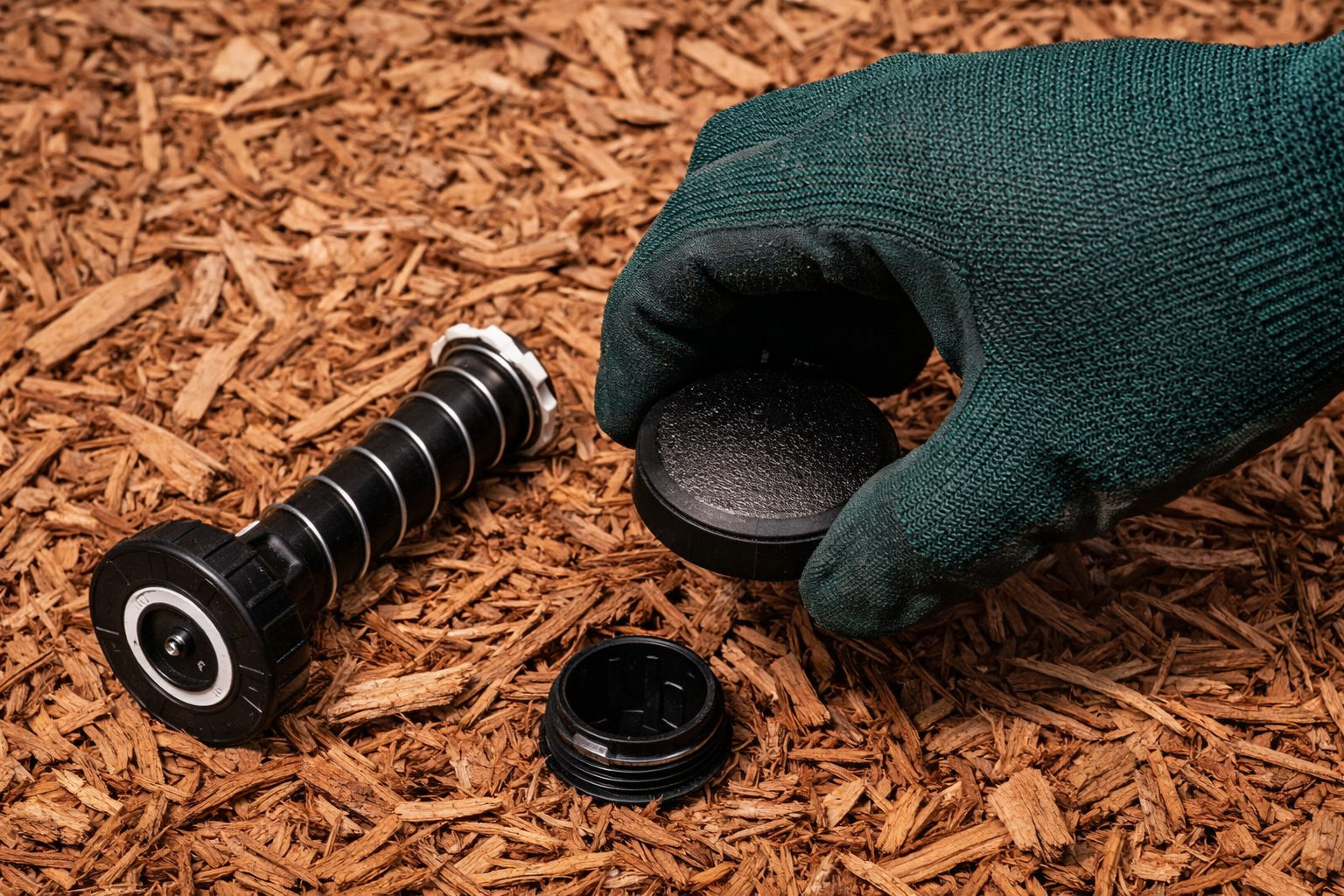
Unused or low-priority irrigation zones can be capped or disabled to prevent unnecessary water use. Eliminating these zones is a simple way to immediately reduce consumption and align with local conservation requirements.
-
![Rezone Based on Plant Type (Hydrozoning)]()
Rezone Based on Plant Type (Hydrozoning)
Hydrozoning groups plants with similar water needs into the same irrigation zones, allowing for more precise watering. This approach prevents overwatering and ensures each area receives the right amount of moisture for optimal health.
-
![setting watering days and times to ensure local watering regulations are observed]()
Adjust Controllers for Reduced Watering Schedules
Adjusting irrigation controllers to match seasonal restrictions and weather conditions helps reduce water usage without sacrificing landscape health. Smart scheduling ensures compliance with Denver regulations while optimizing efficiency.
-
![Improve Efficiency with Pressure Regulation]()
Improve Efficiency with Pressure Regulation
Proper pressure regulation prevents misting and uneven water distribution, which can lead to significant water loss. By maintaining optimal pressure levels, irrigation systems operate more efficiently and deliver consistent coverage.
Tree Placement for Shade & Water Reduction
-
![Strategic Tree Placement to Reduce Evapotranspiration]()
Strategic Tree Placement to Reduce Evapotranspiration
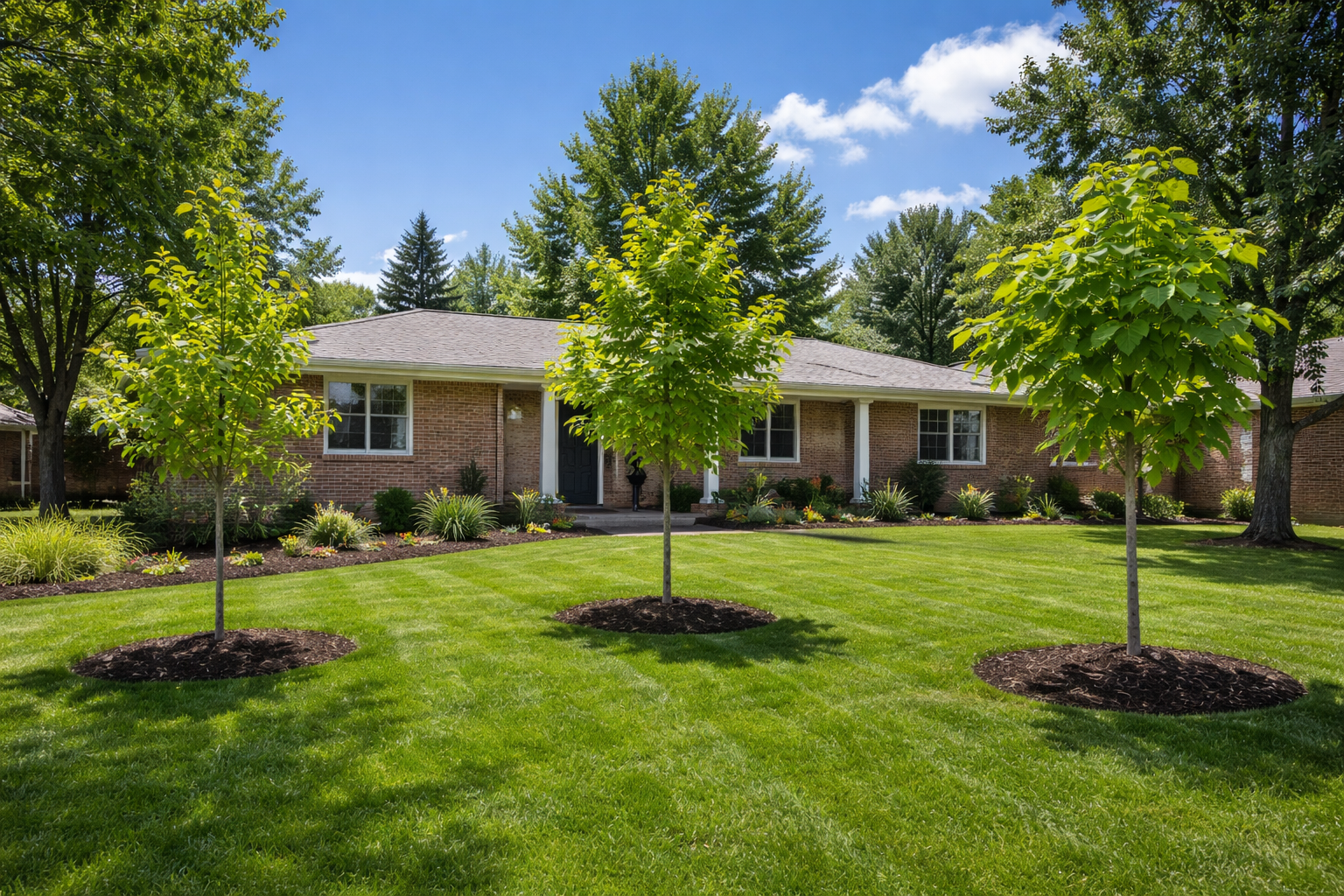
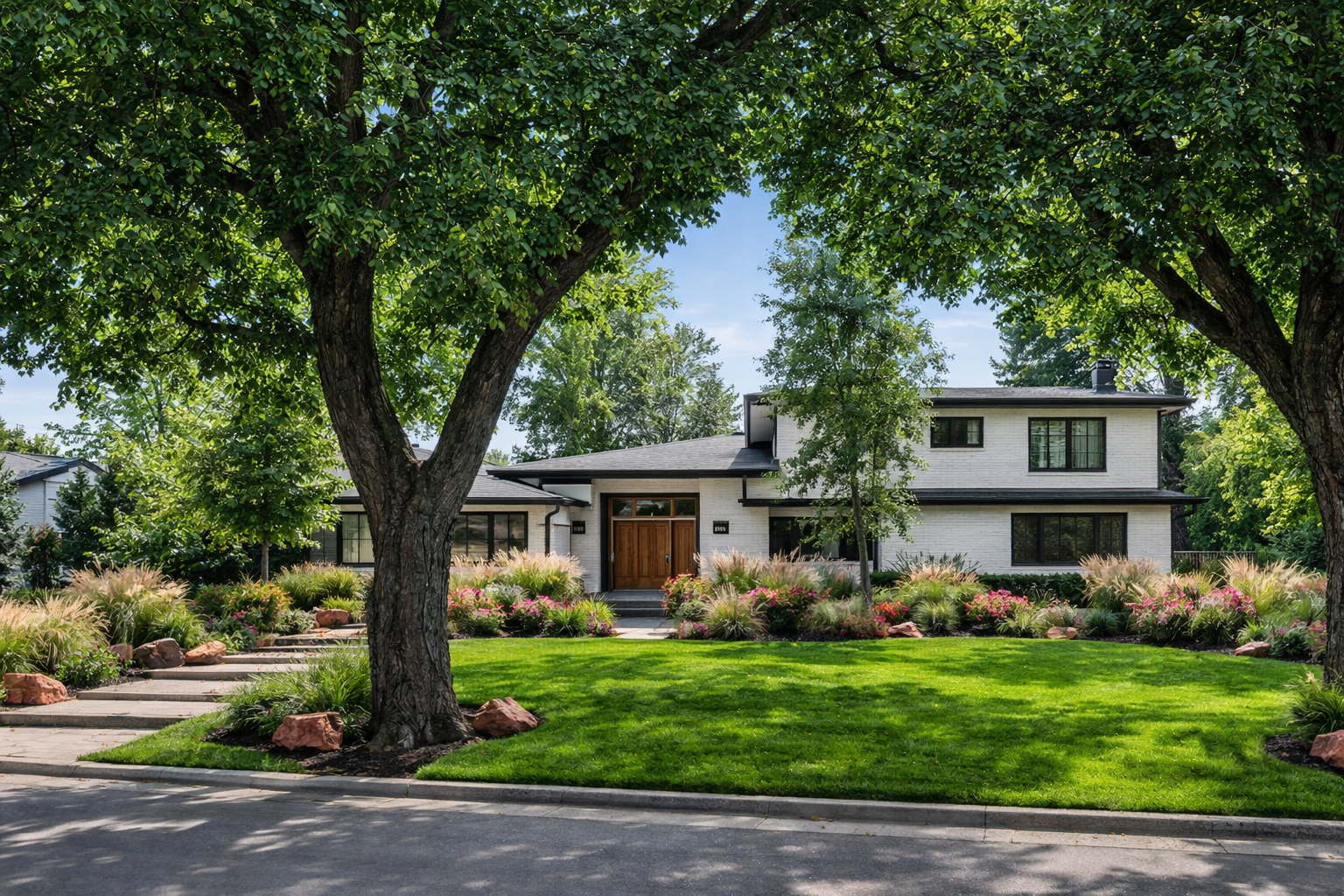
Strategically placing trees to cast shade over lawn areas helps reduce evapotranspiration, which is a major source of water loss in Denver’s dry climate. By limiting direct sun exposure during peak heat hours, turf retains moisture longer and requires less frequent watering. Proper placement—especially on the south and west sides of a yard—can dramatically improve water efficiency. Over time, this approach creates a more resilient and sustainable landscape.
-
![Use Deep-Rooted, Drought-Tolerant Species]()
Use Deep-Rooted, Drought-Tolerant Species
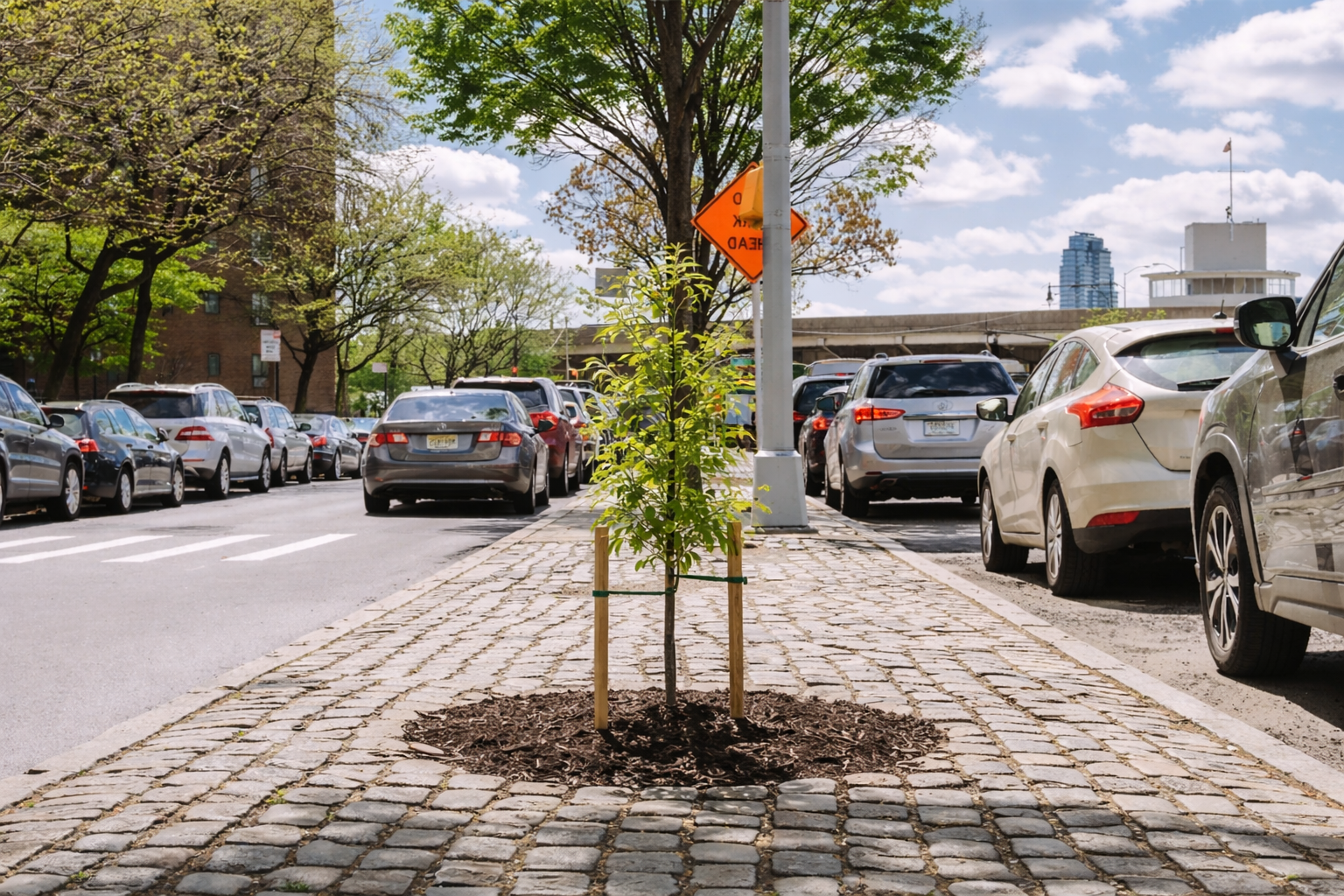
Selecting deep-rooted, drought-tolerant tree species ensures long-term success in Colorado’s semi-arid environment. These trees access moisture deeper in the soil, reducing reliance on surface irrigation and competing less with turf. Native or adapted species tend to establish more quickly and require less maintenance. This makes them an ideal choice for water-conscious landscape planning.
-
![Create Microclimates to Protect Turf and Plants]()
Create Microclimates to Protect Turf and Plants
Trees can be used to create microclimates—localized areas of cooler, more protected conditions within your yard. These zones help shield turf and plants from intense sun, wind, and heat stress. By combining trees with shrubs and groundcover, you can further stabilize moisture levels and improve plant health. Microclimates reduce irrigation demand while enhancing overall landscape performance.
-
![Reduce Heat Near Hardscapes (Concrete, Driveways)]()
Reduce Heat Near Hardscapes (Concrete, Driveways)
Planting trees near hardscapes like driveways, sidewalks, and patios helps reduce heat buildup that can radiate into nearby lawn areas. These surfaces absorb and reflect heat, increasing water demand for surrounding plants. Strategic shading lowers surface temperatures and protects adjacent turf from drying out. This results in healthier grass and reduced irrigation needs.
-
![Long-Term Cooling and Water Savings Benefits]()
Long-Term Cooling and Water Savings Benefits
Over time, mature trees provide significant cooling benefits that extend beyond immediate shade. They help regulate yard temperatures, reduce evaporation, and lower overall water consumption. In addition, they can contribute to energy savings by cooling nearby structures. Investing in proper tree placement delivers lasting environmental and financial benefits for homeowners.
Xeriscaping & Reduced Turf Planning Strategies:
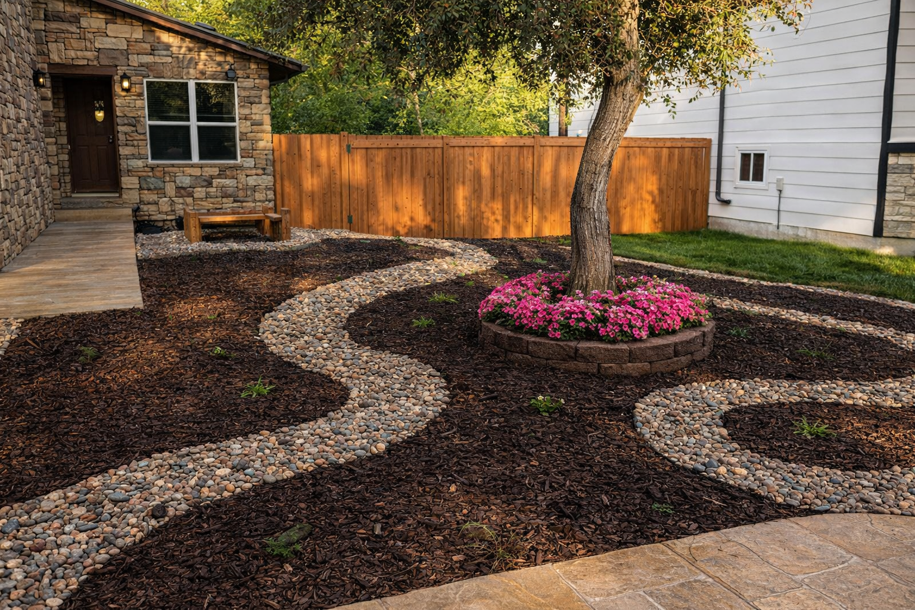
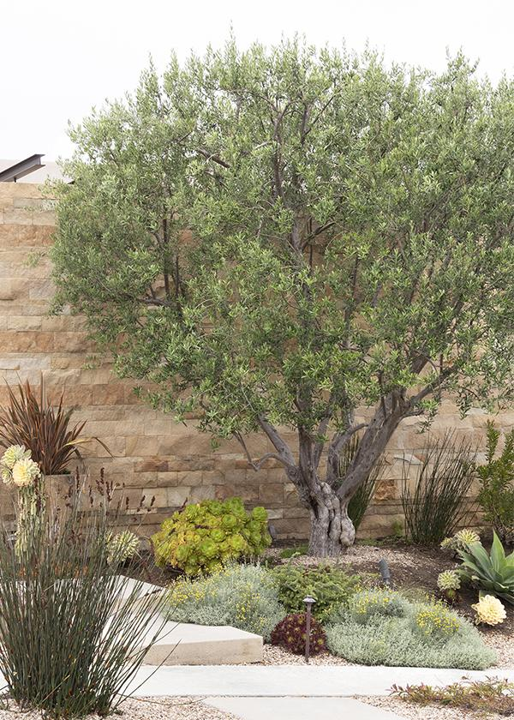
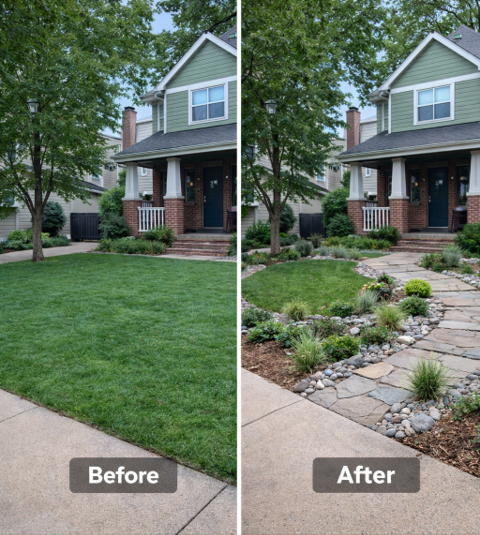
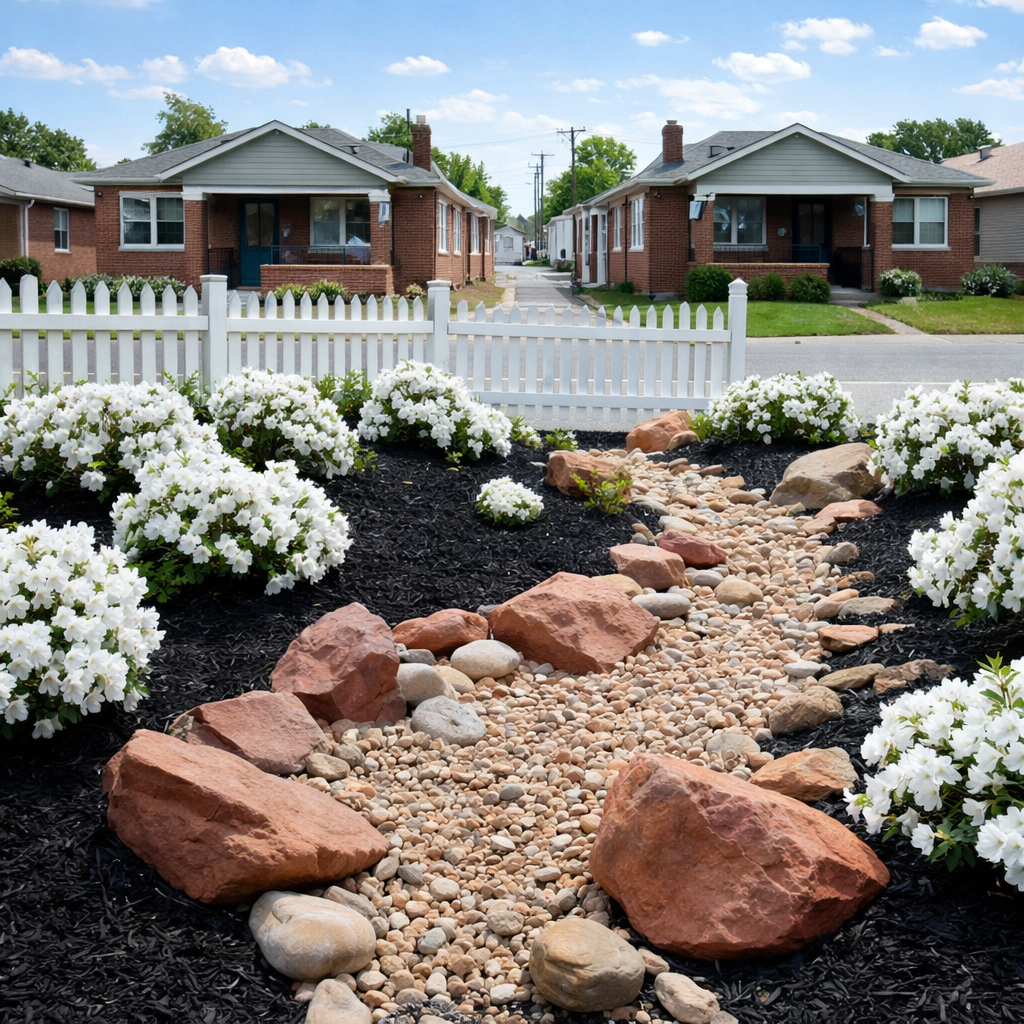
Xeriscaping reduces water demand by replacing high-maintenance turf with drought-tolerant plants, decorative rock, mulch, and efficient irrigation zones. Strategic planning allows you to keep functional lawn areas while minimizing overall water use. The result is a visually appealing, low-maintenance landscape that performs well in Colorado’s dry climate and aligns with municipal conservation goals.
-
![Turf Reduction Planning]()
Turf Reduction Planning
Turf reduction planning focuses on identifying underused lawn areas and converting them into low-water landscape zones. By evaluating sun exposure, slope, and usage patterns, homeowners can strategically reduce irrigation demand without sacrificing functionality. This approach prioritizes high-impact areas while eliminating inefficient turf sections like narrow strips and slopes. A well-planned layout ensures a balanced, attractive, and water-efficient yard.
-
![Rock, Mulch and Ground Cover]()
Rock, Mulch and Ground Cover
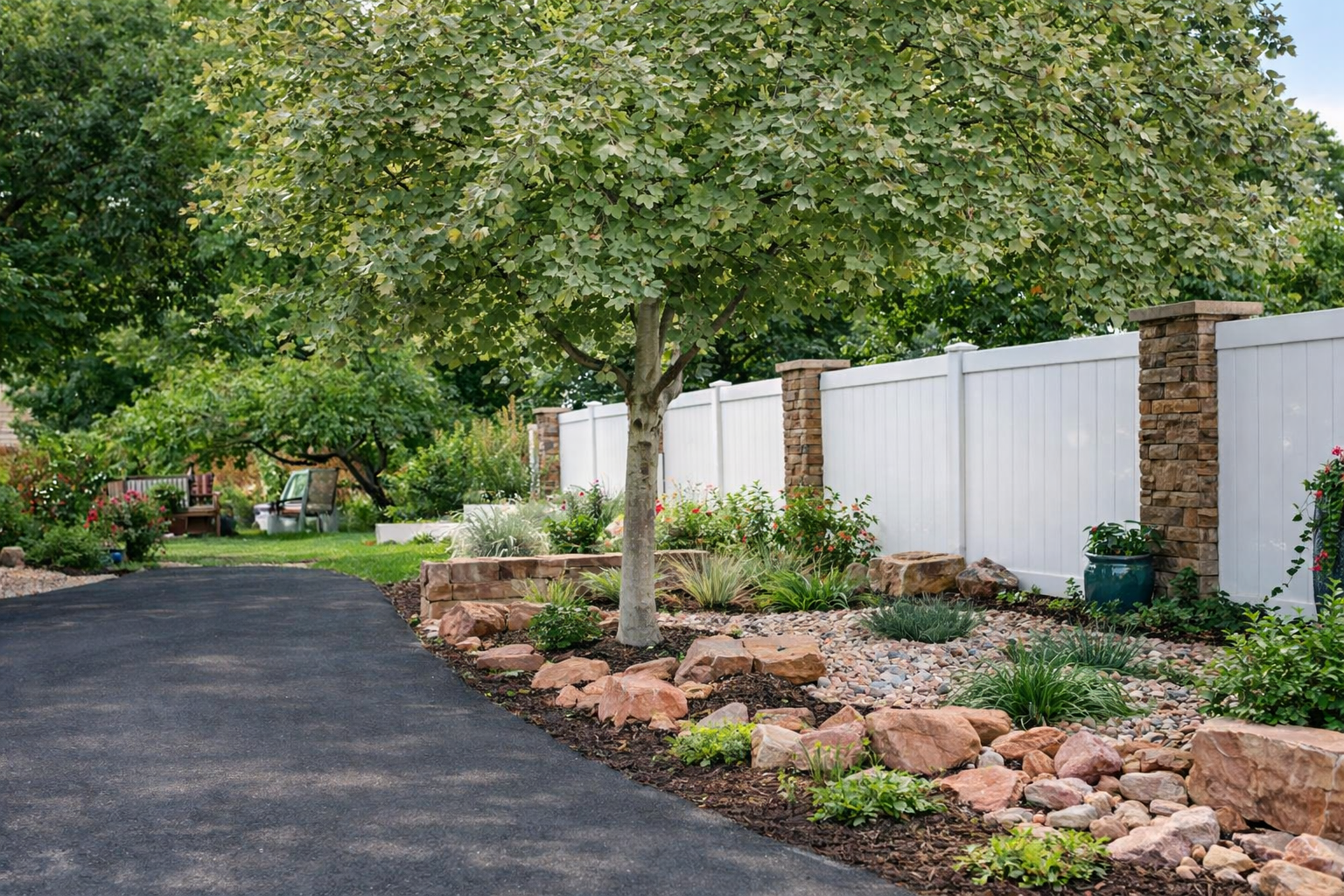
Using a combination of rock, mulch, and ground cover creates a durable and visually layered landscape that minimizes water use. Rock and mulch help retain soil moisture and reduce evaporation, while ground cover plants provide greenery and soften the layout. This mix reduces maintenance needs and limits weed growth when installed properly. It also offers flexibility in achieving both modern and natural landscape aesthetics.
-
![Native and Adaptive Plants]()
Native and Adaptive Plants
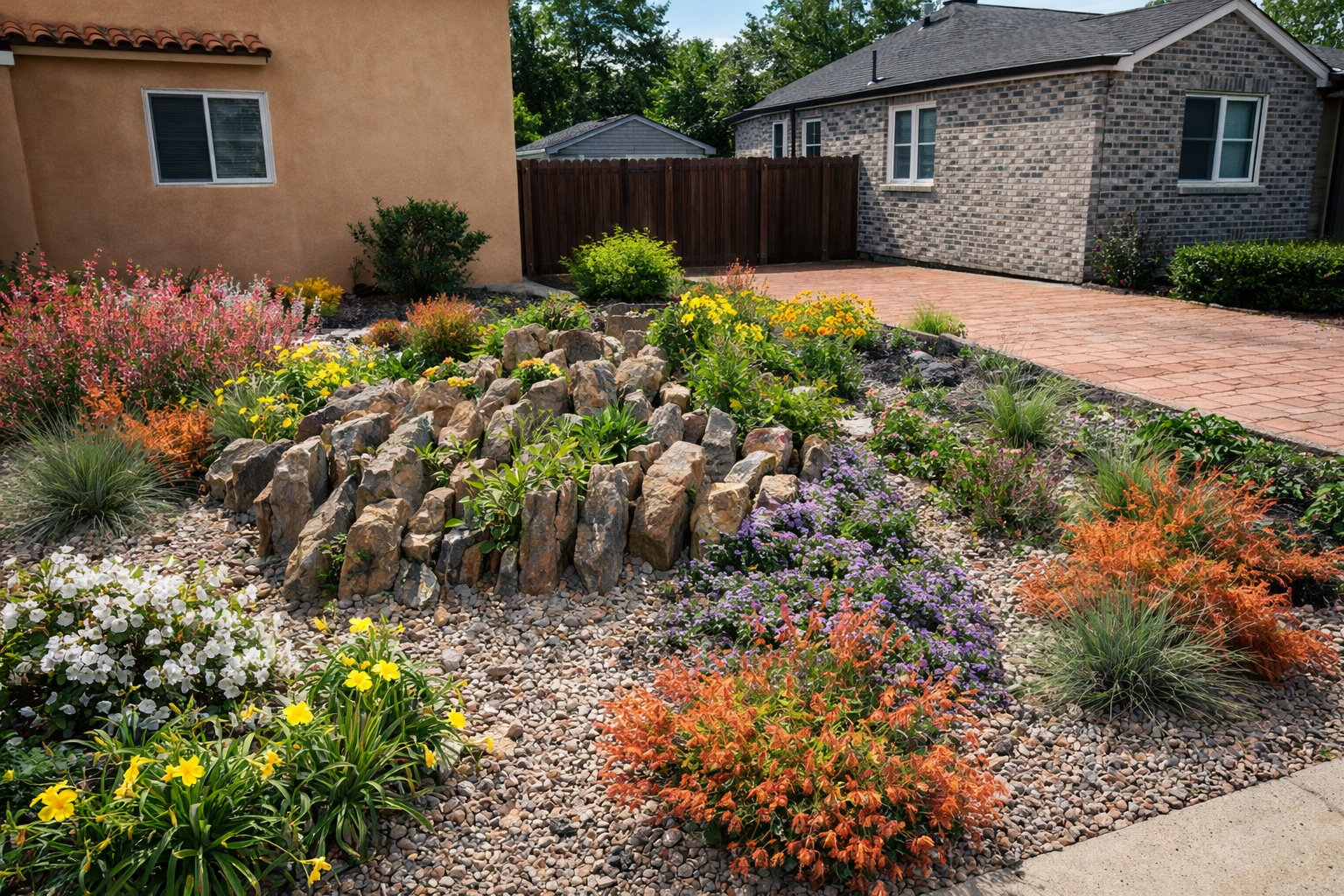
Native and adaptive plants are the backbone of xeriscaping, as they thrive in local climate conditions with minimal supplemental watering. These plants are naturally resilient to drought, temperature swings, and local soil types. Incorporating a variety of textures, heights, and seasonal blooms creates a dynamic and visually appealing landscape. This strategy supports sustainability while maintaining curb appeal.
-
![Functional Lawn Zones Only]()
Functional Lawn Zones Only
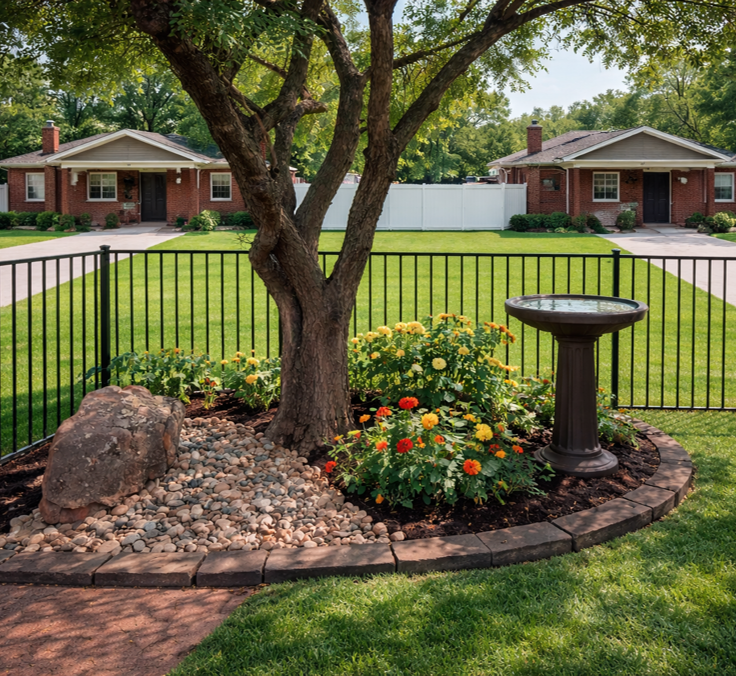
Maintaining turf only in functional areas—such as play spaces, pet zones, or gathering areas—helps reduce overall water use significantly. By limiting grass to where it is truly needed, homeowners can focus irrigation resources more efficiently. Surrounding these areas with xeriscape elements creates contrast and reduces maintenance. This targeted approach balances usability with sustainability.
-
![Drip Irrigation Integration]()
Drip Irrigation Integration
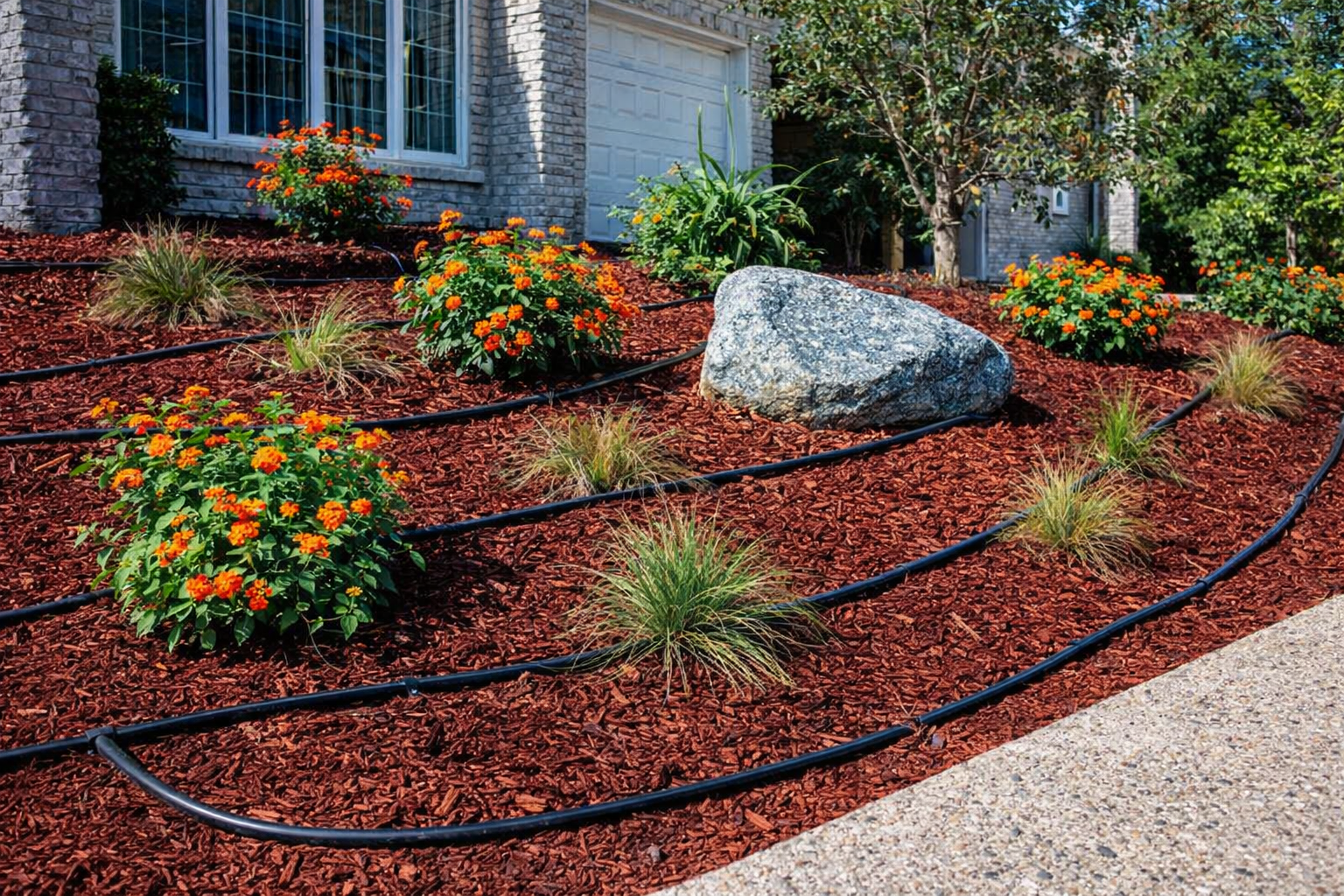
Drip irrigation systems deliver water directly to plant roots, reducing evaporation and runoff compared to traditional spray systems. This method is ideal for xeriscaped areas with plants, shrubs, and ground cover. Integrating drip irrigation allows for precise watering schedules and improved efficiency. It also supports long-term plant health while staying compliant with water restrictions.
Hardscape Integration to Reduce Water Demand
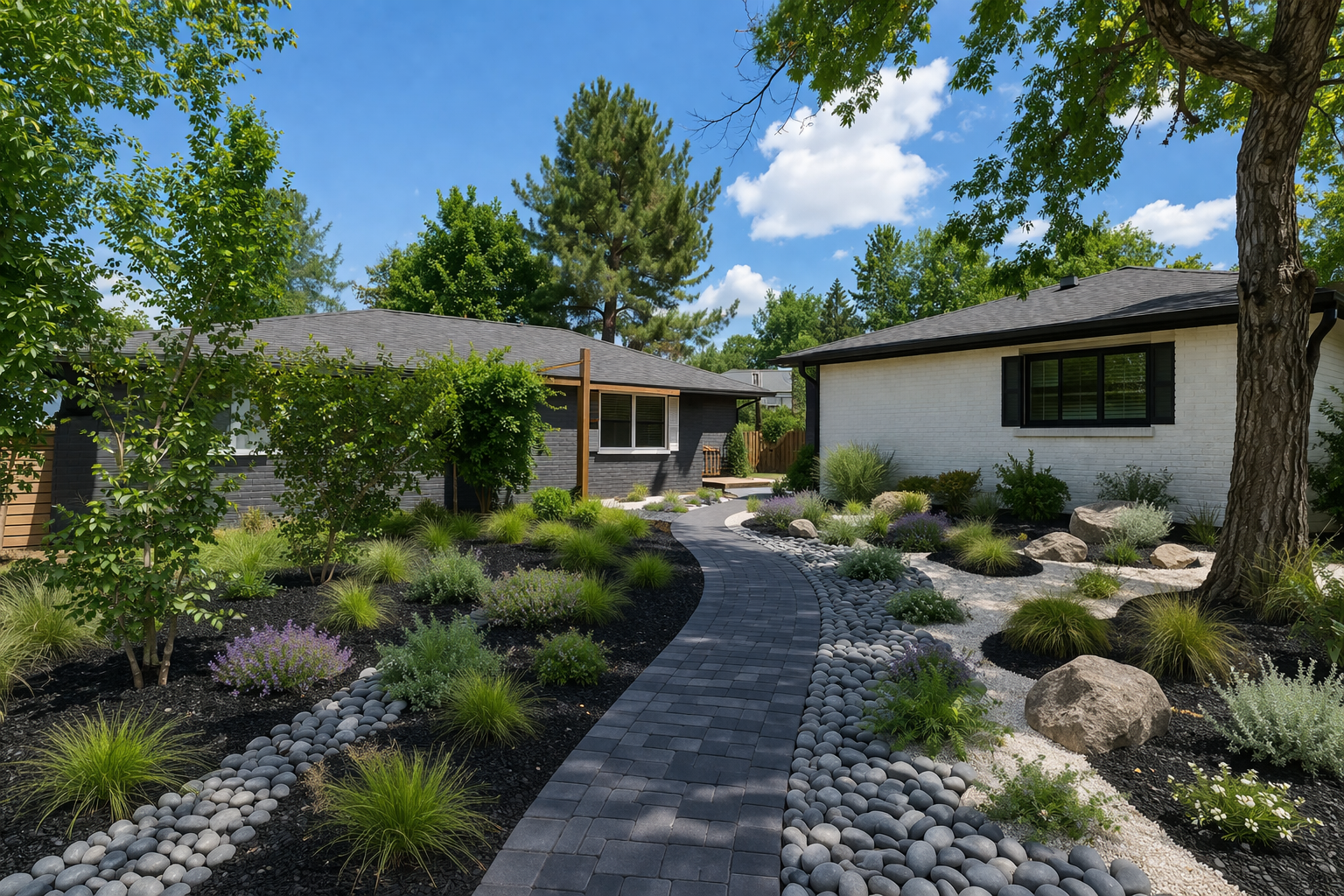
Incorporating patios, walkways, and decorative stone reduces irrigated areas while enhancing usability and layout. Hardscapes provide functional outdoor space without water demand and help manage drainage. Strategic placement of these features can significantly reduce irrigation needs while increasing property value and creating a balanced, modern landscape aesthetic.
-
![Patios & Seating Areas]()
Patios & Seating Areas
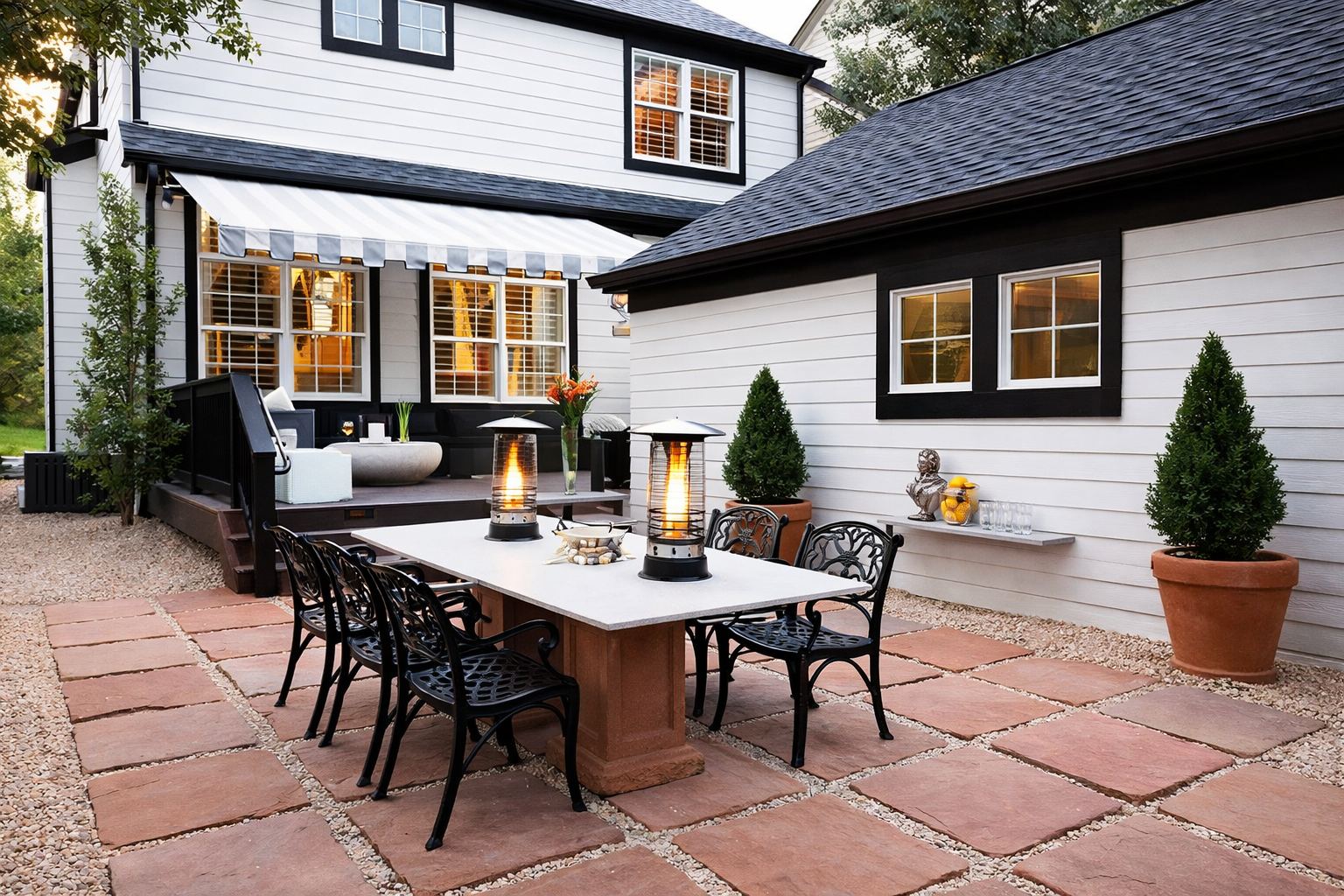
Patios and seating areas replace high-water-use turf with durable, attractive surfaces that require little to no irrigation. Materials like pavers, flagstone, or concrete create functional outdoor living spaces while reducing overall landscape water demand. When paired with shade trees or pergolas, these areas improve comfort and usability. Thoughtful placement also helps consolidate activity zones, minimizing the need for irrigated lawn space.
-
![Walkways & Pathways]()
Walkways & Pathways
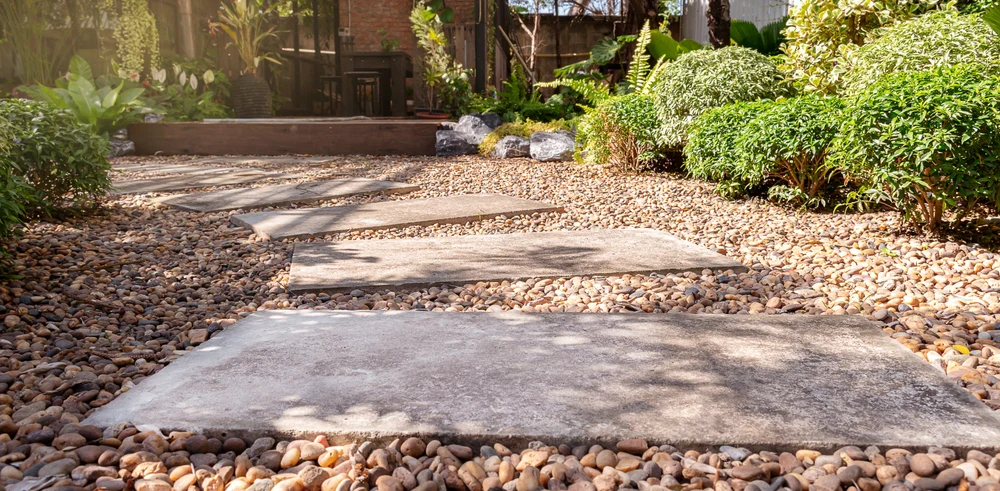
Walkways and pathways guide movement through a landscape while reducing the amount of irrigated surface area. Using materials like flagstone, decomposed granite, or pavers creates visual structure and improves accessibility. These features help break up planting zones, allowing for more efficient irrigation planning. Well-planned paths also reduce soil compaction in planted areas, supporting healthier, drought-tolerant plants.
-
![Decorative Stone & Gravel]()
Decorative Stone & Gravel
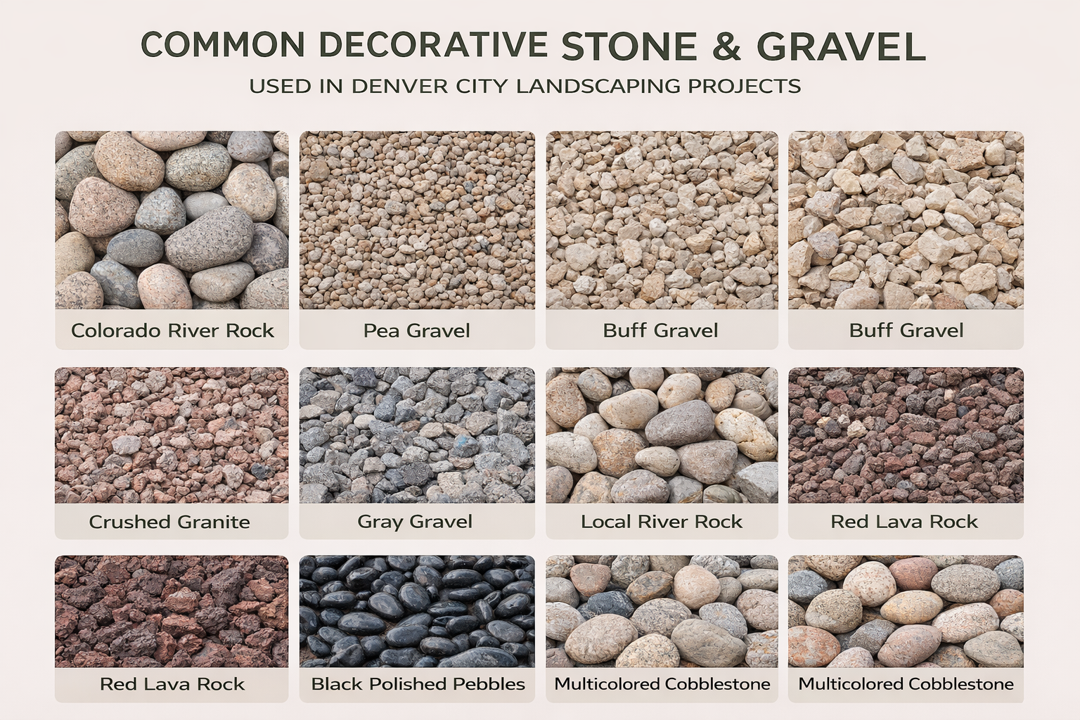
Decorative stone and gravel serve as excellent alternatives to traditional mulch and turf, significantly lowering water requirements. These materials help retain soil moisture, reduce evaporation, and suppress weed growth. Available in a wide range of colors and textures, they enhance visual appeal while supporting low-water plantings. They also provide long-term durability with minimal maintenance compared to organic ground covers.
-
![Retaining Walls]()
Retaining Walls
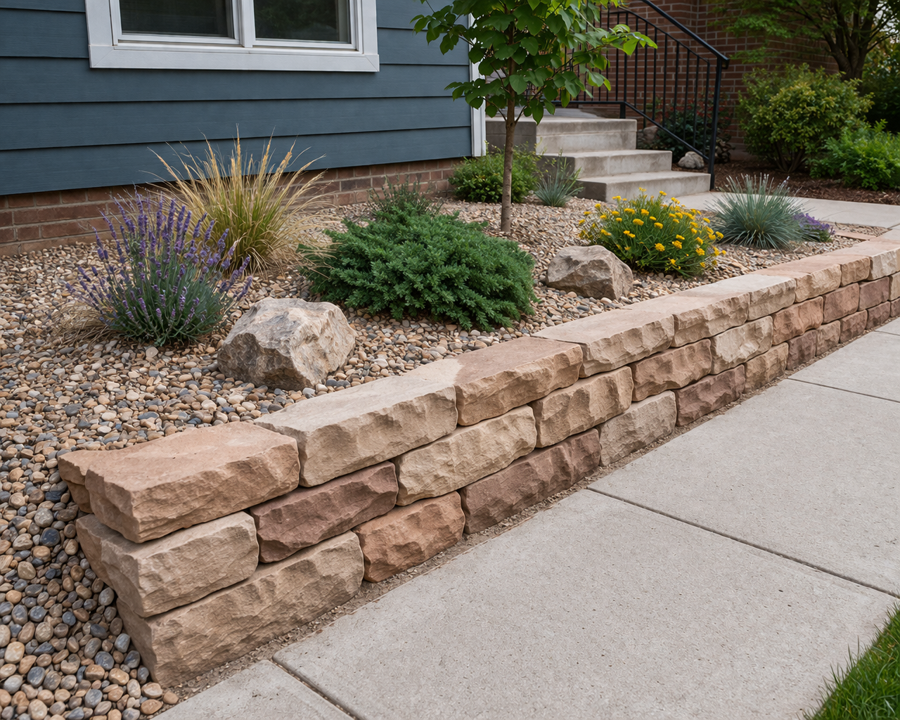
Retaining walls enable the creation of tiered landscapes that improve water efficiency and erosion control. By leveling slopes, they allow for more precise irrigation and better water retention in planting areas. Materials such as natural stone or concrete blocks add structure and aesthetic value. These walls also create opportunities for planting drought-tolerant species in well-defined zones.
-
![Heat Considerations Near Hard Surfaces]()
Heat Considerations Near Hard Surfaces
Hardscape surfaces can absorb and radiate heat, impacting plant health and outdoor comfort if not carefully planned. Choosing lighter-colored materials or permeable surfaces helps reduce heat buildup. Incorporating shade elements like pergolas, trees, or shade sails can significantly lower surface temperatures. Strategic layouts ensure that hardscapes contribute to water savings without creating excessive heat stress in the landscape.
Front Range Watering Restrictions & Guidelines
Each municipality across the Front Range enforces specific watering rules to conserve water. Understanding these guidelines is essential for maintaining a compliant and healthy lawn. We Plan systems and landscapes tailored to these restrictions, ensuring efficient water use while keeping your property vibrant and within local regulations.
Key Municipal & District Restrictions (Summary)
Denver Water Days: Typically 2 days/week (seasonal)
Times: Before 10 AM / after 6 PM
Limits: Avoid runoff; cycle/soak recommended
URL: https://www.denverwater.org/residential/rebates-and-conservation-tips/summer-watering-rules
City and County of Denver
Follows Denver Water rules
Enforcement tied to water district
Same day/time restrictions
Adams County
Days: 2–3 days/week depending on district
Times: Early morning / evening only
Limits: Efficient watering required
URL:https://adcogov.org/water
City of Aurora
Days: 3 days/week (assigned schedule)
Times: Before 10 AM / after 6 PM
Limits: No mid-day watering
URL: https://www.auroragov.org/residents/water
City of Thornton
Days: 3 days/week
Times: Limited daytime watering
Limits: Water budgets encouraged
URL:https://www.thorntonco.gov
Commerce City
Follows regional district guidance
Typically 2–3 days/week
Time-of-day restrictions apply
URL: https://www.c3gov.com
Major Water Districts
South Adams County Water & Sanitation District
East Cherry Creek Valley Water & Sanitation
Centennial Water & Sanitation District
Many enforce:
> 2–3 watering days/week
> No watering 10 AM–6 PM
> Cycle/soak irrigation required
Request an Estimate
Please contact us to schedule a free onsite review and receive a free quote.
Xeriscaping
Smart Irrigation
Turf Removal
Hardscapes
Service Areas
We proudly mow lawns across:
Denver
Edgewater
Glendale
Commerce City
Baker
Belcaro
Berkeley Park
Capitol Hill
Cheesman Park
Cherry Creek
City Park
City Park West
Clayton
Cole
Congress Park
Elyria-Swansea
Five Points
Globeville
Highlands
West Highlands
Hilltop
Jefferson Park
Lincoln Park
Mayfair
Montclair
North Capitol Hill
Park Hill
Reunion
River North
Skyland
Sloan Lake
Speer
Sunnyside
Washington Park West
Wheat Ridge
Whittier
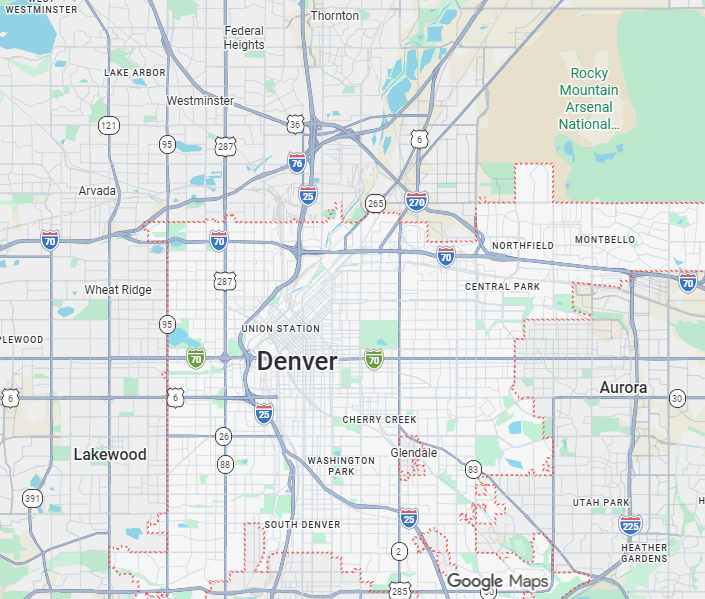
Not seeing your area of town?
Contact us anyway, we may have started servicing your area before our website caught up to us.
FAQs
-
Reduce grass areas with Xeriscaping and Hardscapes. Replace existing thirsty varieties of grass with Texas Hybrid Sod or similar. Use smart watering technology to ensure watering only happens when depth range is dry.
-
In the Denver area, converting traditional turf grass to xeriscape typically saves 18–30 gallons of water per square foot per year, depending on grass type, irrigation practices, and plant selection. Value per sq ft: ~$0.07–$0.15 saved per sq ft annually.
-
Yes, however the restrictions put in place may not provide enough time to water a large grass area long enough each week to keep the grass green.
-
Texas Hybrid is a warm-season, drought-tolerant turfgrass blend designed to use significantly less water than traditional cool-season lawns like Kentucky bluegrass. It stays green with 30–50% less irrigation, making it well-suited for regions facing watering restrictions.
It has a fine-to-medium texture, good density, and can handle moderate foot traffic, while also showing improved heat and drought resilience. The grass greens up later in spring and goes dormant earlier in fall, which is typical for warm-season varieties, but reduces overall water demand.
Best performance comes in full sun environments, and it pairs well with efficient irrigation systems like drip or low-precipitation sprinklers. Overall, it’s positioned as a water-saving alternative lawn for homeowners wanting a traditional turf look with much lower maintenance and water use.
The most drought-tolerant grass for Colorado—especially along the Front Range—is buffalograss, a native prairie species perfectly adapted to low rainfall. It can survive on as little as 8–12 inches of water per year, often requiring little to no supplemental irrigation once established. Buffalograss forms a soft, low-growing lawn that needs minimal mowing and thrives in full sun.
Blue grama is another Colorado native that performs well with very limited water. It has a more natural, meadow-like appearance and is often mixed with buffalograss for durability. It’s extremely hardy but less uniform than traditional turf.
-
Short answer, yes. You can ensure you stay within restrictions while further limiting watering based upon soil moisture. The combination is the optimal solution on a per watering zone basis, favoring hot spots and dialing back the cooler shaded areas.
-
Yes, we can remove turf and replace it with Xeriscapes, Hardscapes and various garden features to give you a beautiful and functional outdoor space.
-
Yes, Turf removal
Up to ~$2–$3 per sq ft for removing irrigated turf and replacing with xeriscape. Requires pre-approval and post-project inspection. Must follow approved plant and design guidelines.
Yes, Irrigation upgrades
Rebates for smart irrigation controllersIncentives for high-efficiency sprinkler nozzles
Support for drip irrigation conversions
Funding levels and rebate amounts can change annually. Projects usually require approval before starting.